
The Alien Enemies Act
What is the Alien Enemies Act & How was it Used?
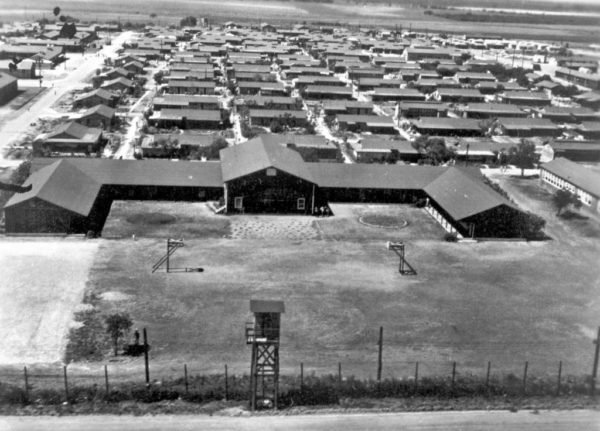
The 1798 laws known collectively as the “Alien and Sedition Acts” were a set of four bills targeting immigrants under the guise of war. While three of the acts have since expired or been repealed, the Alien Enemies Act (AEA) remains in effect to this day.
Over 80 years after it was used to detain 17,000 Japanese nationals and Japanese Americans during World War II, without evidence of wrongdoing, the Alien Enemies Act of 1798 has resurfaced. On March 15, 2025, President Trump issued an executive order to invoke the law to deport Venezuelan nationals to a prison in El Salvador—without notice or due process available under the immigration laws. The AEA allows the government to detain and remove non-citizens from “hostile nations without evidence of a threat to national security.” Until repealed, it remains a sweeping tool to target communities under the guise of national security.
Experiences of Japanese Americans under the AEA
-

Natsu Saito
-

Kunitomo Mayeda
-
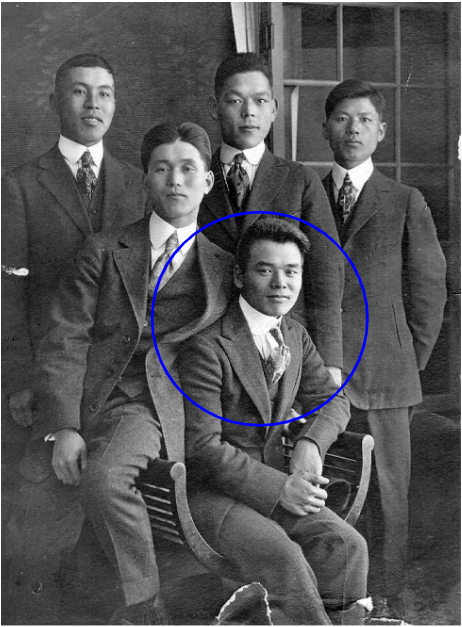
Junichi Oda
-

Kahei Sam Morikawa
-

Jotaro Mori
-

Masuo Yasui
-
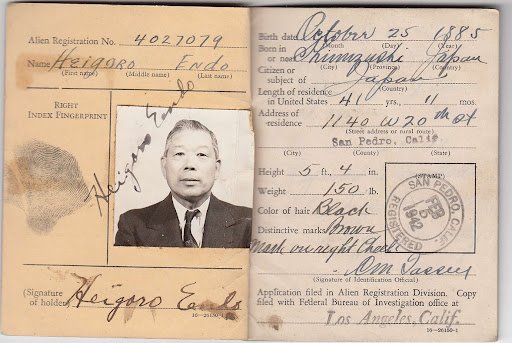
Heigoro Endo
-
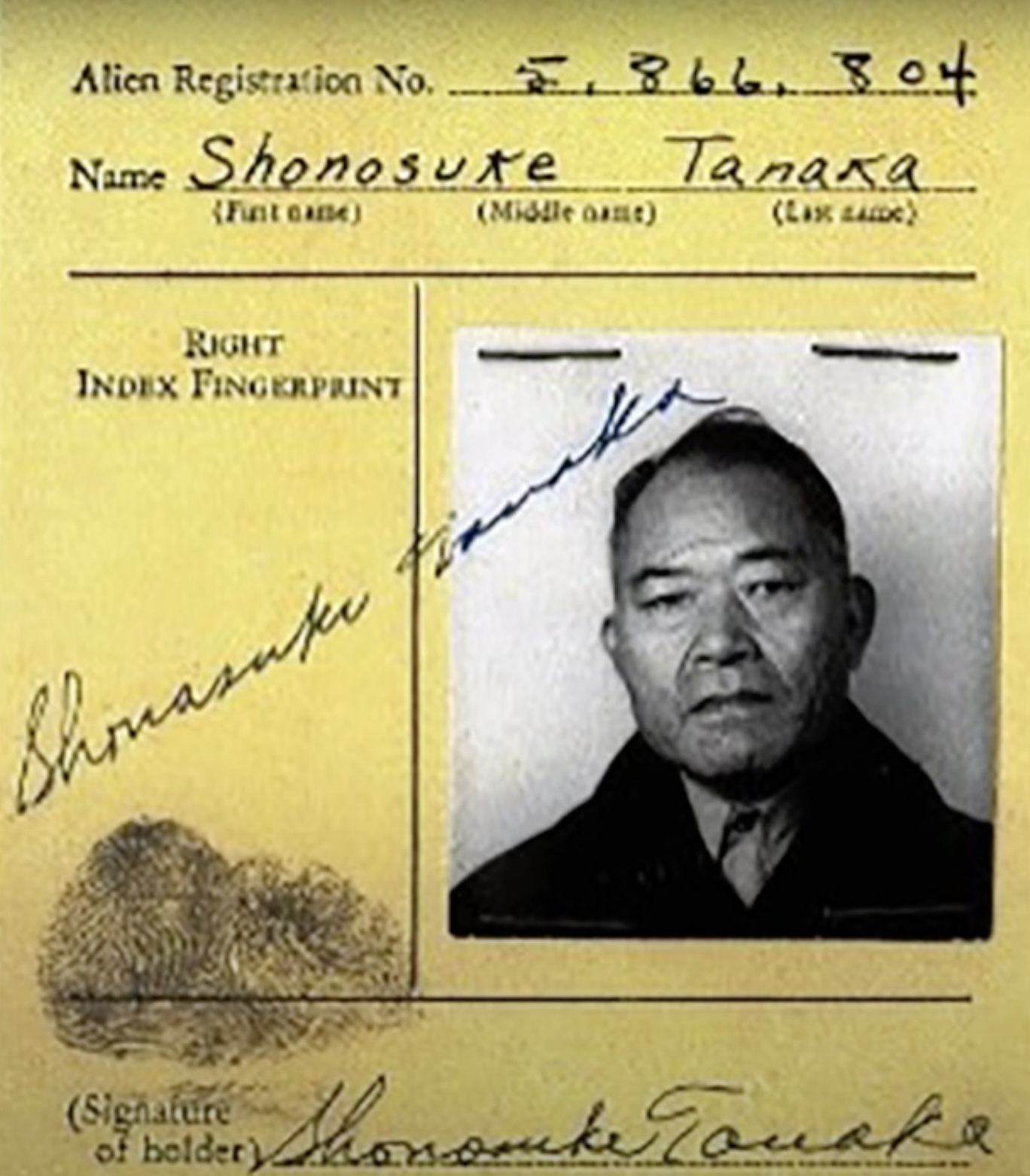
Shonosuke Tanaka
-

Minoru Nakano
-

Isamu Art Shibayama
-

Buntaro (Bob) Mayeda
-

George Kumemaro Uno
-
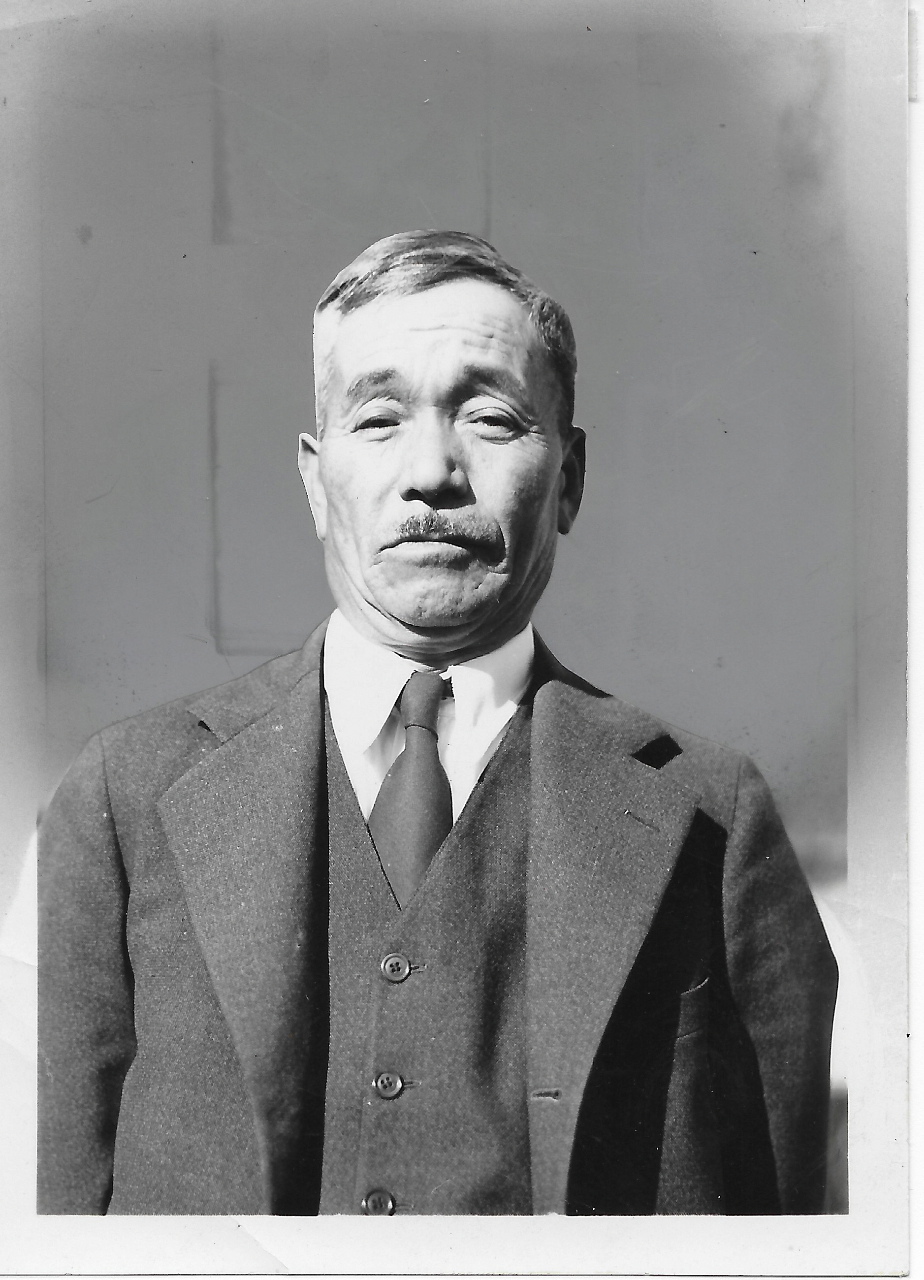
Hikoshichi Higuchi
-

Chozo Saito
Alien Enemies Act News
The Neighbors Not Enemies Act
The Neighbors Not Enemies Act would repeal the Alien Enemies Act of 1798 in its entirety. The 1798 laws known collectively as the “Alien and Sedition Acts” were a set of four bills targeting immigrants under the guise of war. While three of the acts have since expired or been repealed, the Alien Enemies Act (AEA) remains in effect to this day. The AEA should be repealed because it is an archaic law that has been used to single out racial and religious minorities and deny them due process and the human right to be treated fairly.